

Introduction
Diesel generators are a crucial component in many industries, providing reliable backup power during unexpected outages or serving as the primary power source in remote locations. One key aspect of diesel generators is their ability to operate at a constant speed, ensuring stable and reliable power generation. In this comprehensive guide, we will explore the ins and outs of diesel generators for constant speed operation, covering everything from the working principle to maintenance tips.
Chapter 1: Understanding Diesel Generators
1.1 Working Principle of Diesel Generators
Diesel generators operate based on the principle of converting mechanical energy into electrical energy. The key components of a diesel generator include the diesel engine, alternator, fuel system, cooling system, and control panel. When the diesel engine is activated, it drives the alternator, which generates electricity through electromagnetic induction. The control panel regulates the output voltage and frequency of the generated power.
1.2 Benefits of Diesel Generators
Diesel generators offer several advantages for constant speed operation, including:
- High reliability: Diesel generators are known for their robust and durable design, making them ideal for continuous operation.
- Fuel efficiency: Diesel engines are more fuel-efficient than gasoline engines, providing cost savings in the long run.
- Easy maintenance: Diesel generators have fewer moving parts compared to other types of generators, resulting in lower maintenance requirements.
- Constant speed operation: Diesel generators can maintain a stable speed under varying loads, ensuring consistent power output.
Chapter 2: Constant Speed Operation of Diesel Generators
2.1 Importance of Constant Speed Operation
Maintaining a constant speed is essential for diesel generators to ensure the stability and reliability of the generated power. Fluctuations in engine speed can result in variations in voltage and frequency, which can damage sensitive equipment or disrupt operations. Constant speed operation is particularly critical in applications where a steady power supply is required, such as hospitals, data centers, and industrial facilities.
2.2 Governing Systems for Constant Speed Control
To achieve constant speed operation, diesel generators are equipped with governing systems that regulate the engine speed based on the load demand. The two main types of governing systems used in diesel generators are mechanical governors and electronic governors. Mechanical governors control the fuel supply to the engine by adjusting the position of the fuel rack, while electronic governors use sensors and actuators to manage the engine speed more precisely.
2.3 Load Sharing and Synchronization
In applications where multiple diesel generators are used in parallel, load sharing and synchronization are crucial for maintaining a balanced distribution of load and ensuring seamless operation. Load sharing controllers monitor the output of each generator and adjust the fuel supply to achieve equal load sharing. Synchronization controllers compare the frequency and phase of the generators to ensure they are in phase before connecting them to the grid.
Chapter 3: Design Considerations for Constant Speed Diesel Generators
3.1 Engine Selection
When choosing a diesel generator for constant speed operation, it is essential to consider the engine specifications, such as horsepower, torque, and fuel efficiency. The engine should be selected based on the expected load demand and operating conditions to ensure optimal performance and reliability. Additionally, factors such as emissions compliance, maintenance requirements, and fuel availability should be taken into account during the selection process.
3.2 Alternator Rating
The alternator is a critical component of a diesel generator that converts mechanical energy into electrical energy. When selecting Diesel Generators For Sale for constant speed operation, factors such as voltage regulation, efficiency, and overload capacity should be considered. The alternator rating should match the power output of the diesel engine to ensure maximum efficiency and reliability.
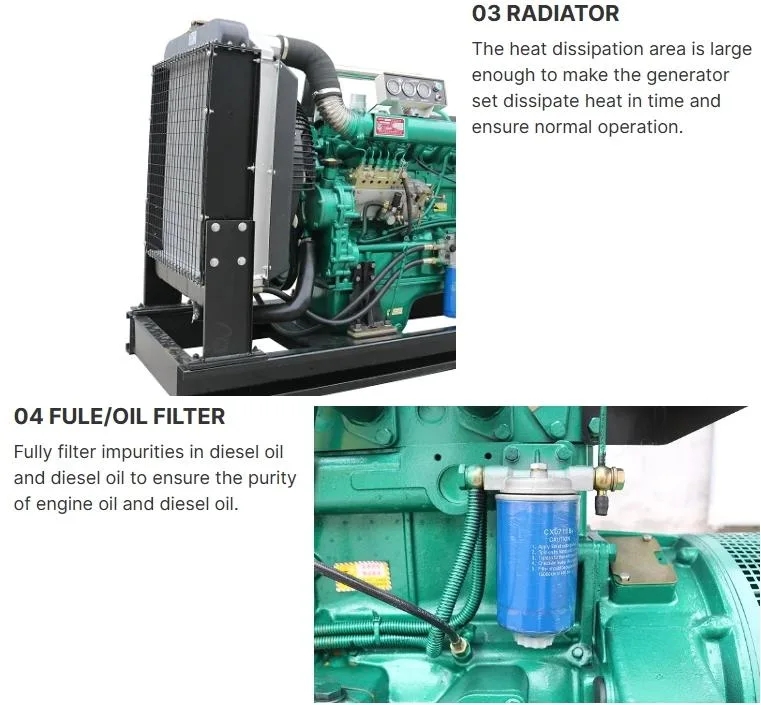
3.3 Cooling System
Proper cooling is essential for maintaining the optimal operating temperature of the diesel engine and alternator. Diesel generators are equipped with cooling systems, such as radiators and cooling fans, to dissipate excess heat generated during operation. The cooling system should be designed to handle the heat load under varying operating conditions to prevent overheating and ensure the longevity of the generator components.
Chapter 4: Maintenance and Troubleshooting of Constant Speed Diesel Generators
4.1 Routine Maintenance
Regular maintenance is crucial for ensuring the reliable operation of diesel generators for constant speed operation. Routine maintenance tasks include checking and replacing the engine oil, fuel filters, air filters, and coolant, inspecting the fuel system for leaks or blockages, and testing the battery and electrical connections. Proper maintenance helps prevent unexpected breakdowns and prolongs the lifespan of the generator.
4.2 Troubleshooting Common Issues
Despite regular maintenance, diesel generators may experience issues that require troubleshooting and repair. Common problems that can affect constant speed operation include fuel system issues, cooling system malfunctions, electrical faults, and governor problems. Troubleshooting steps may involve checking the fuel quality, inspecting the cooling system components, testing the electrical connections, and calibrating the governor settings.
4.3 Professional Service and Support
For complex maintenance tasks or troubleshooting issues, it is advisable to seek professional service and support from qualified technicians. Authorized service centers have the expertise and equipment to diagnose and repair diesel generator problems accurately. Regular servicing by trained professionals can help identify potential issues early and prevent costly downtime.
Chapter 5: Applications of Constant Speed Diesel Generators
5.1 Standby Power Systems
Diesel generators are commonly used as standby power systems in buildings, facilities, and critical infrastructure to provide backup power during utility outages. Constant speed operation ensures that the generator can quickly start and supply power to essential loads without disruptions. Standby power systems are essential for maintaining operations in hospitals, data centers, telecommunications facilities, and other critical applications.
5.2 Prime Power Generation
In remote locations or areas with unreliable grid power, diesel generators are used as prime power sources to provide continuous electricity supply. Constant speed operation is crucial for prime power generation to ensure a stable and reliable power output for extended periods. Prime power diesel generators are utilized in mining operations, construction sites, agricultural facilities, and off-grid communities.
5.3 Peak Shaving
Peak shaving refers to the practice of using diesel generators during peak demand periods to reduce electricity costs and alleviate strain on the grid. Constant speed diesel generators can be synchronized with the grid and activated when the demand for electricity is high. By supplementing the grid power during peak hours, peak shaving helps lower overall energy costs and enhances grid stability.
Conclusion
Diesel generators for constant speed operation play a vital role in ensuring reliable and stable power supply in various applications. By understanding the working principle, design considerations, maintenance requirements, and applications of constant speed diesel generators, operators can maximize the performance and longevity of these critical power generation systems. With proper maintenance and operational practices, diesel generators can provide uninterrupted power when it is needed most.